Do You Need Building Regulations for a Conservatory? UK Homeowners’ Guide
If you’re thinking about upgrading your home with a conservatory, there’s all sorts you’ll need to think about – from colours and materials to how you’ll use the space. So where do Building Regulations come into the mix? Find out more about the legal requirements of extensions on your home, and when and where you’re exempt.
Does a Conservatory Need Building Regs?
When making changes to their homes, many people confuse planning permission with Building Regulations. The majority of conservatories don’t need planning permission providing they meet certain requirements – but Building Regulations may still apply.
In this guide, we’ll explain when your conservatory does need Building Regs, and what to do to be approved. You’ll also find out how the rules differ across England, Scotland and Wales, as well as inspiration for modern aluminium conservatory and glazed extension designs.
Building Regulations vs Planning Permission: What’s the Difference?
The key difference between Building Regulations and planning permission is the ‘what’ and ‘how’. Planning permission refers to what you can build, looking at factors like size, appearance and impact on the land.
Building Regulations look at how it’s built, thinking about the structure, insulation, electrics, glazing and overall safety.
In many cases, conservatories don’t need planning permission but must meet the ‘Permitted Development’ criteria. They may still need to comply with Building Regulations, unless they meet conditions that make them exempt.
When Is a Conservatory Exempt from Building Regulations?
In England and Wales, your conservatory may not need to meet Building Regulations if:
- It’s built at ground floor level only.
- The internal floor area is less than 30m².
- It’s separated from the main house by external doors such as French, sliding or bifolds.
- The heating system is separate from the one in the main house.
- At least 75% of the roof and 50% of the external walls are glazed or translucent.
- It’s a living space, not a sleeping space (bedroom).
Bear in mind that while the structure itself may be exempt, the glazing and electrical work will still have to comply with Building Regulations.
When Do You Need Building Regulations Approval for a Conservatory?
Your conservatory will likely need to meet Building Regulations if:
- It’s two-storey, built on upper floors, or has a more complex structure.
- It covers a larger surface area than 30m².
- There is no thermal separation (an open-plan extension with no external walls/doors).
- It’s heated by the main house’s central heating system.
- Yours is a listed building, located in a conservation area, or otherwise restricted site.
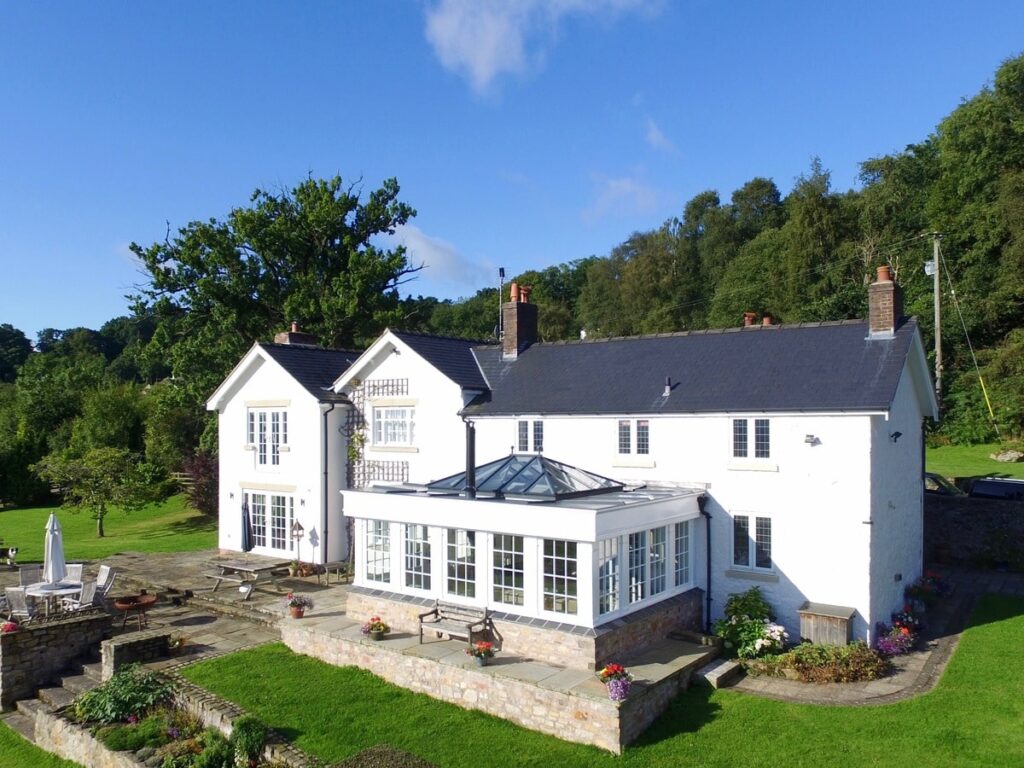
- The design is a fully integrated extension like an orangery, rather than a bolt-on.
Modern conservatories or glass rooms essentially serve as extensions. That means they must comply with Building Regulations. A thermally broken aluminium conservatory will meet these requirements, providing a beautiful aesthetic that’s durable and energy-efficient.
Source: https://atlas-aluminium.co.uk/advice-centre/roofs/does-a-conservatory-need-building-regs/

Mohammed Brennan is a British author, freelance writer, and journalist based in Leicester, England. He has contributed articles and columns to local publications, including The Leicester Mercury, covering arts, culture, and various other topics.